
Regenerative Real Estate
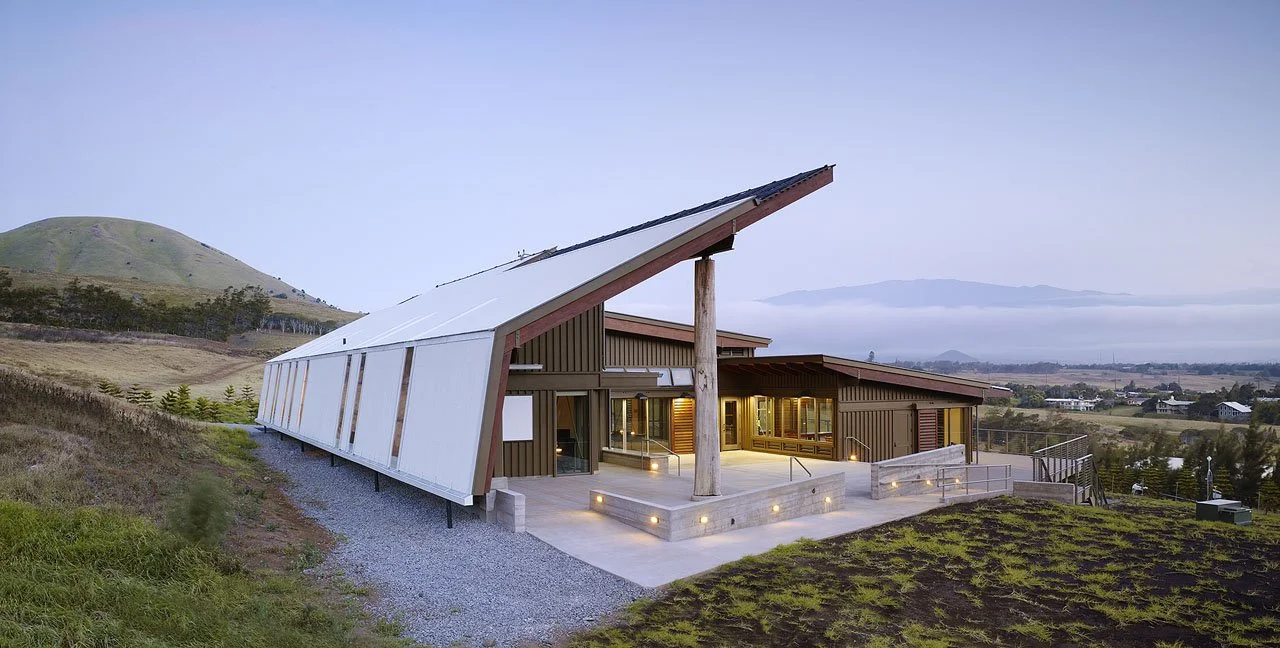
From Sustainable to Regenerative
Regenerative real estate is real estate that contributes to life.
It goes beyond minimizing harm to actively enhancing the vitality, resilience, and long-term viability of the social, ecological, and economic systems of a place.
At its core, regenerative real estate reflects a fundamental shift—from a mechanistic worldview, where buildings are treated as isolated assets, to an ecological worldview, where developments are understood as living participants within larger living systems. In this paradigm, projects are designed to generate genuine wealth by strengthening the capacity of ecosystems and communities to evolve, adapt, and thrive over time.
As the climate crisis deepens and more planetary boundaries are breached, conventional “green” building practices are proving insufficient. Incremental efficiency gains, while necessary, fall short of the transformative change required to restore long-term planetary balance.
Real estate plays a critical role in this transition. Whether organizations occupy space, own assets, or develop property, the built environment represents one of the largest levers for addressing Environmental, Social, and Governance (ESG) challenges. Globally, buildings and construction account for approximately 32% of energy consumption and 34% of carbon emissions when both embodied and operational impacts are considered (UNEP).
Most sustainability strategies in real estate focus on reducing negative impacts. Regenerative real estate raises the level of ambition: it seeks not only to do less harm, but to create net-positive outcomes for climate, biodiversity, and communities. With the knowledge and tools now available, it is possible to design and develop within the safe operating space defined by Earth’s biophysical systems. Doing so requires an approach grounded in living systems thinking—one that actively restores ecosystems, rebuilds biodiversity, and revitalizes social fabric.
At Prospera, our regenerative approach recognizes the imperative to operate within planetary boundaries. We draw on frameworks such as Storying Place and Living Building Challenge to guide design and decision-making that is deeply contextual, place-based, and future-fit.


Extending Regeneration to Human Systems
Traditionally, regenerative design has focused primarily on repairing ecological damage and restoring planetary systems. Prospera builds on this foundation by extending regeneration to human systems—recognizing that long-term sustainability is inseparable from human health, wellbeing, and vitality.
By many measures, humanity is doing better than ever before: life expectancy has increased, infant mortality has declined, deaths from communicable diseases have fallen, and famine has decreased globally. Yet these gains mask a different kind of crisis.
Today, chronic conditions such as heart disease, diabetes, asthma, and depression are among the leading barriers to people living full, vibrant lives. These diseases account for over 80% of global disability-adjusted life years lost. They do not simply shorten lifespan—they limit daily functioning, reduce resilience, and constrain human potential. On average, people now live approximately 17 years with the burden of chronic disease. We have become very good at extending lifespan, but not yet healthspan.
Building for Healthspan
We believe that the places we design and inhabit can play a profoundly regenerative role in reversing this trend.
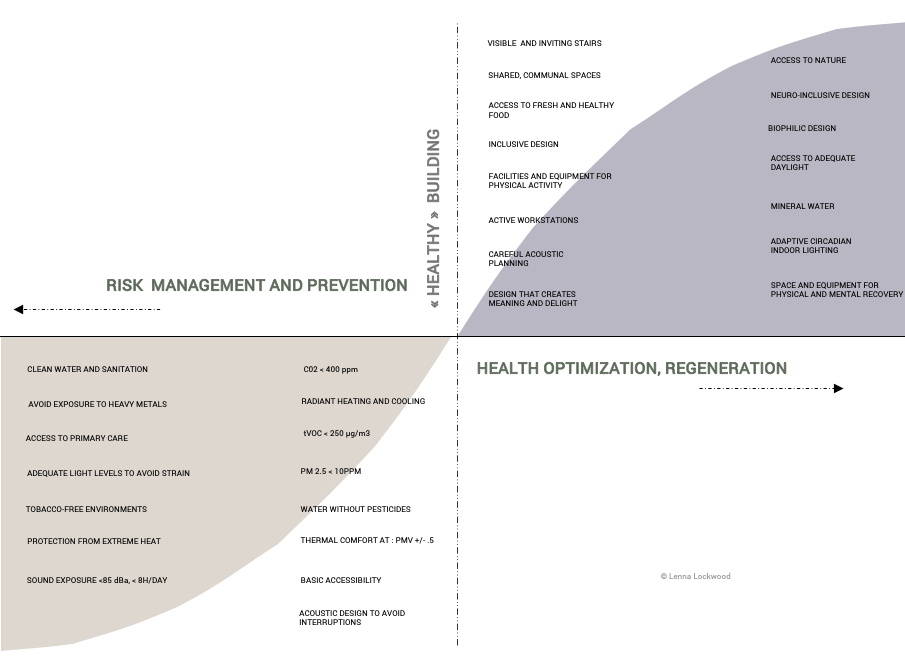
A growing body of research demonstrates that the built environment influences physical health, mental wellbeing, cognitive performance, and long-term disease risk. Many salutogenic—health-generating—interventions are not high-tech or exclusive; they are often the result of thoughtful design choices related to air quality, light, acoustics, materials, access to nature, movement, and psychological safety.
When approached with intention, buildings can become quiet but powerful allies for health—supporting longer, healthier lives while making wellbeing more accessible and equitable. In this sense, regenerative real estate is also preventative real estate: a lever for public health, social resilience, and human flourishing.
While Prospera’s regenerative real estate work focuses on portfolios, developments, and urban systems, these principles also apply at the scale of the home. Out of a desire to democratize the knowledge applied most frequently on a corporate level, Prospera Living was born. Prospera Living translates regenerative and health-centred design into everyday life through the Regenerative Home framework, helping individuals and families create living environments that actively support health, wellbeing, and long-term vitality.